
Rosemount 3051 vs 2051 vs 2088: Which Pressure Transmitter Do You Actually Need?
· By Diego Cordova, President
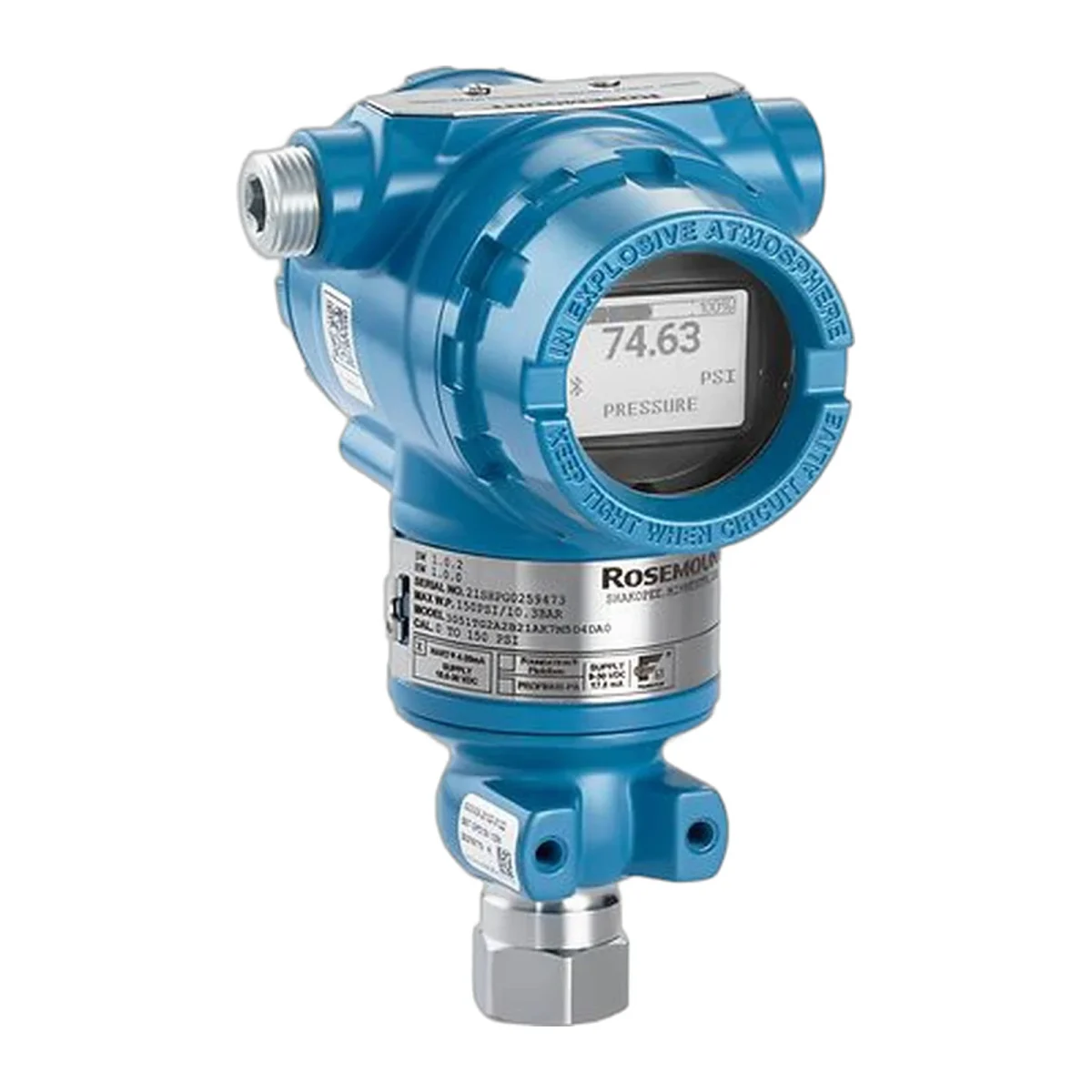
Most RFQs we receive for pressure transmitters ask for a Rosemount 3051. Many of them don't need one. The 3051 is the industry reference for a reason, but on a wellhead, a separator or a tank, the cheaper Rosemount 2051 or 2088 often delivers the same useful result for a lower price and shorter lead time. And if your plant already runs Yokogawa or Honeywell, switching brands for a single loop rarely makes sense.
This guide compares the three Rosemount workhorses side by side, shows how they stack up against the Yokogawa EJA110E and the Honeywell SmartLine ST700, and gives you a simple rule to pick the right one.
The short answer
- Rosemount 3051: critical control loops, DP flow where accuracy is money (custody, allocation), and safety instrumented functions (SIL 2/3).
- Rosemount 2051: general DP, gauge and absolute measurement where you want the Coplanar platform, manifolds and remote seals, without paying for top tier accuracy.
- Rosemount 2088: gauge or absolute pressure on lines, wellheads, pumps and tanks. Compact, in line, and the most economical of the three.
Side by side specifications
| Rosemount 3051 | Rosemount 2051 | Rosemount 2088 | Yokogawa EJA110E | Honeywell ST700 | |
|---|---|---|---|---|---|
| Measurement | DP, gauge, absolute | DP, gauge, absolute | Gauge, absolute only | DP (plus static pressure from the same sensor) | DP, gauge, absolute |
| Reference accuracy | 0.04% of span | 0.075% standard, 0.065% option | 0.065% with high accuracy option | 0.055% standard, 0.04% option | 0.05% to 0.065% depending on model |
| Long term stability | 0.2% of URL over 10 years | 0.10% over 2 years (5 years optional) | 0.1% of URL over 3 years | 0.1% over 10 years | See model datasheet |
| Rangedown | Up to 100:1 or higher by model | 100:1 | 50:1 | Model dependent | Model dependent |
| Safety | SIL 2/3 (IEC 61508) | SIL 2 available | Not positioned for SIS | SIL 2 standard, SIL 3 in dual configuration | SIL options available |
| Best fit | Critical loops, flow, SIS | General purpose DP and level | Line and wellhead pressure | DP flow and level, plants on Yokogawa DCS | Plants on Honeywell Experion |
Figures from the manufacturers' current product data sheets. Always confirm against the datasheet of the exact model code before you order.
Insight 1: accuracy on paper is rarely the accuracy you get
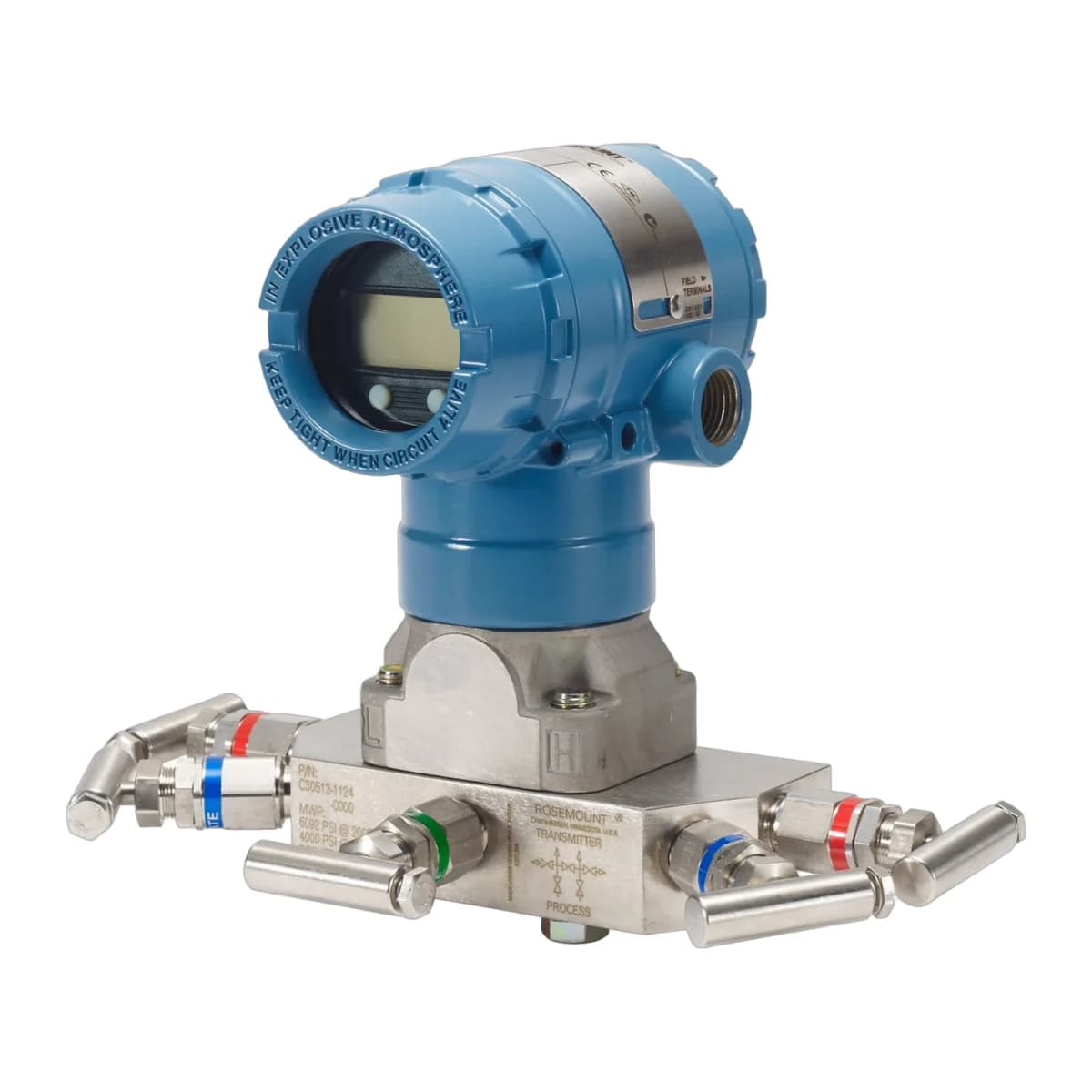
The difference between 0.04% and 0.065% looks big. On a 0 to 1,000 psi wellhead transmitter it is 0.25 psi. In the field, that number disappears behind the real error sources: ambient temperature swings on an unheated wellsite, plugged or leaking impulse lines, a manifold left half open, and calibration drift between maintenance visits.
That's why Emerson itself quotes "total performance" next to reference accuracy for the 3051. If your loop is for monitoring or alarming, a 2088 or 2051 will do the job. Spend the 3051 premium where the measurement feeds money or safety: allocation meters, gas flow by orifice, or a shutdown function.
Insight 2: the 2088 is the most underrated transmitter on a wellsite
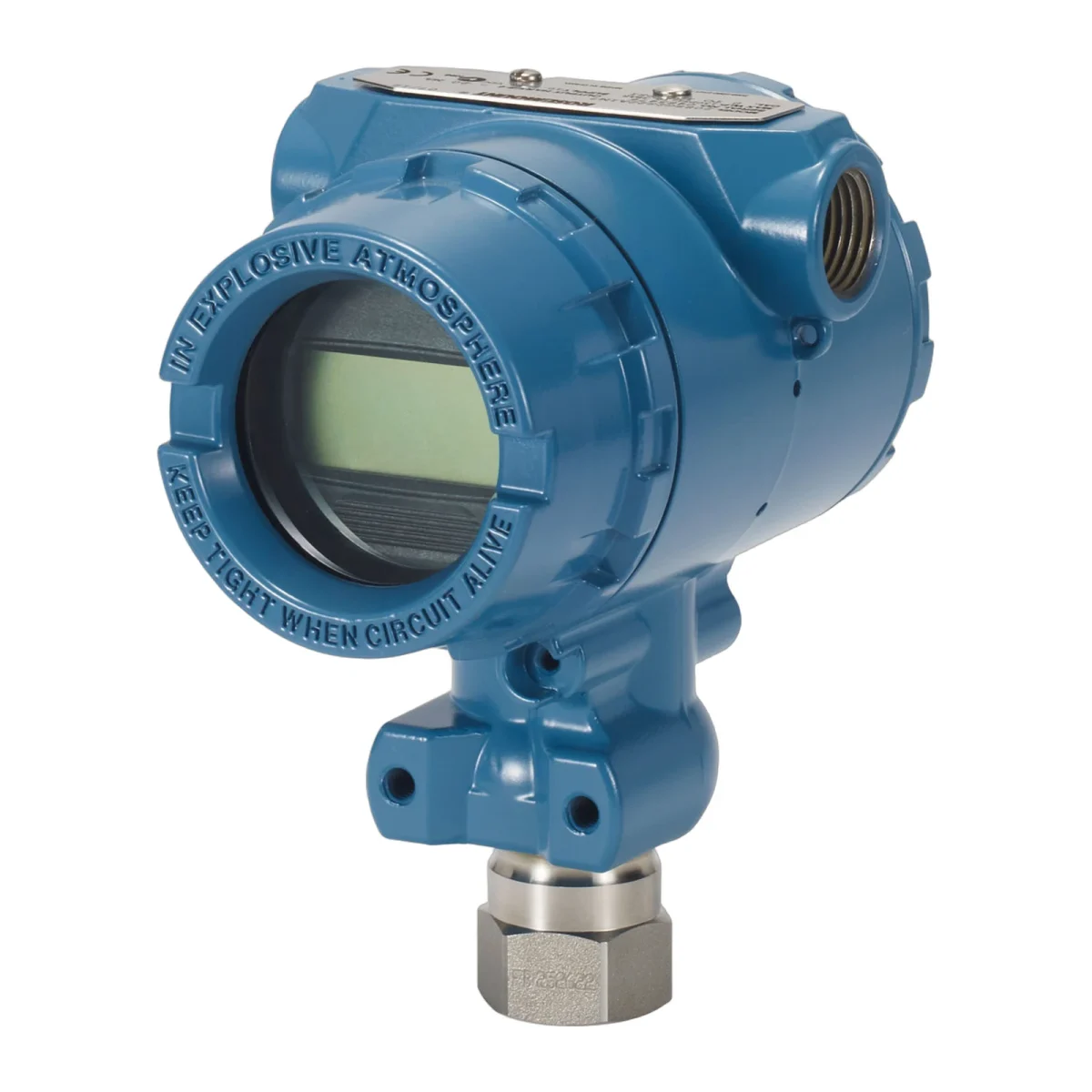
The 2088 only measures gauge or absolute pressure, and that's exactly what most wellheads, flowlines, pump discharges and separators need. It mounts directly on the process, it's light, and it's available with NACE MR0175 / ISO 15156 certification for sour service. For tubing and casing pressure, it is usually the smartest buy in the Rosemount family.
Insight 3: stability decides your calibration budget
Accuracy tells you how good the transmitter is on day one. Stability tells you how often someone has to drive to the site to recalibrate it. The 3051 (0.2% of URL over 10 years) and the Yokogawa EJA110E (0.1% over 10 years) are built for long intervals. The 2051 and 2088 have shorter stability periods. On remote sites in the Faja del Orinoco, the Llanos basin or northern Alberta, fewer calibration trips can pay for the more expensive transmitter.
Insight 4: the brand already in your plant matters more than the spec sheet
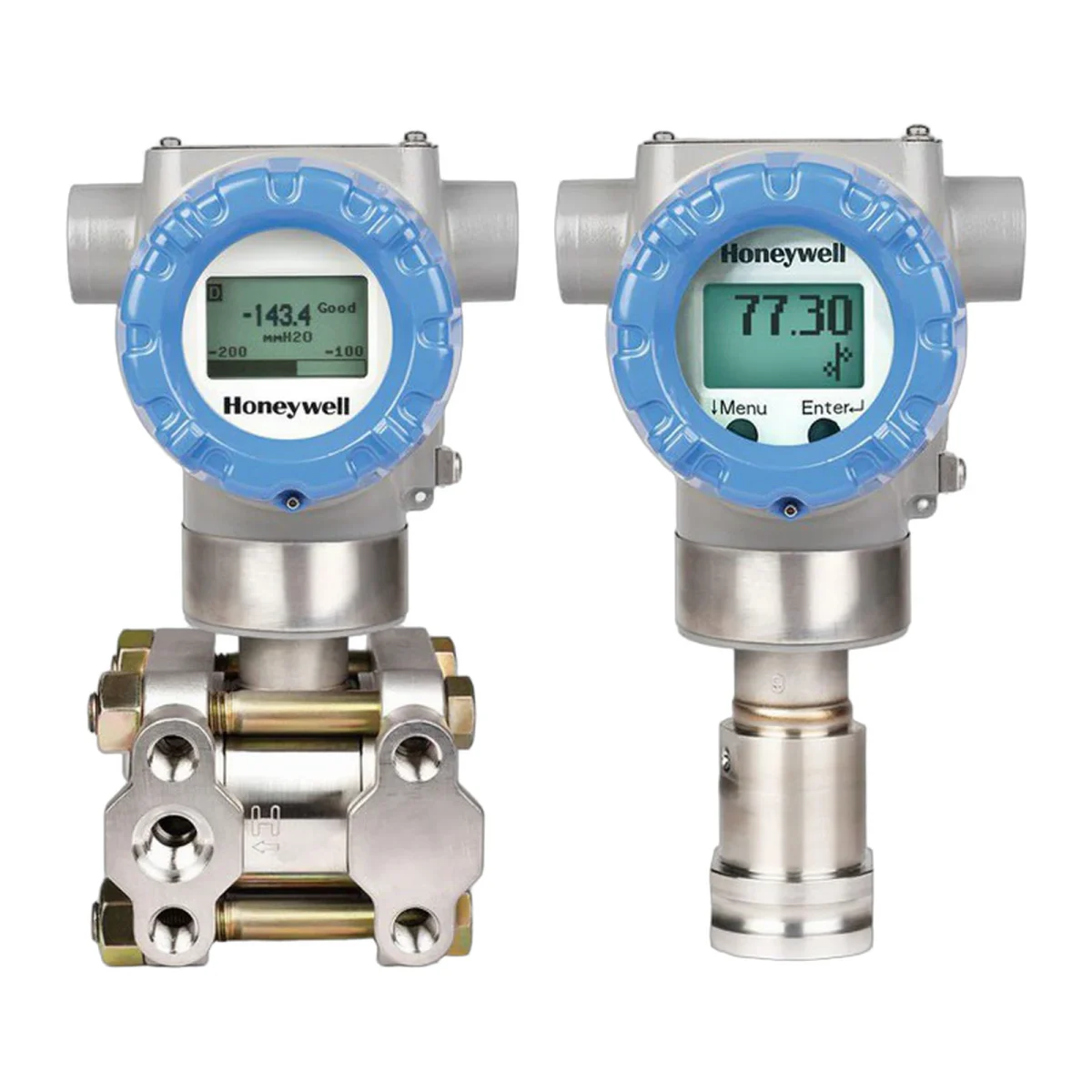
If your control system is Yokogawa, the EJA110E integrates with your tools and your technicians already know it. Its DPharp sensor also reports differential and static pressure from a single sensor, which can save a second transmitter in some DP flow applications. If you run Honeywell Experion, the SmartLine ST700 gives you native integration and the same spares as the rest of the plant. Mixing brands loop by loop multiplies spare parts, configurators and training.
Insight 5: viscous crude and high temperature need a seal, not a better transmitter
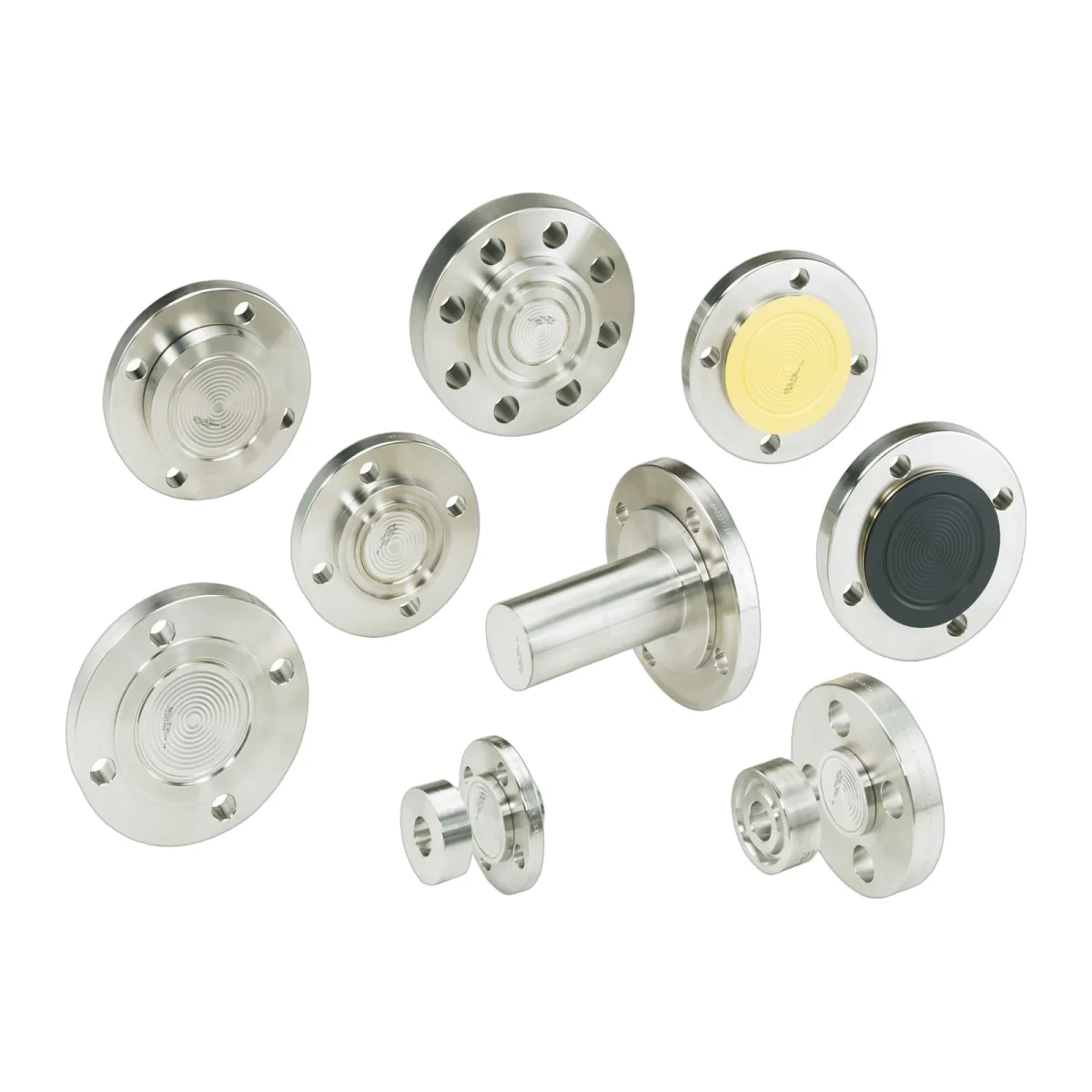
Heavy crude, paraffin and high temperature processes plug and damage the transmitter's isolating diaphragm long before accuracy becomes the issue. The fix is a remote diaphragm seal such as the Rosemount 1199, which works with the 3051 and the 2051. For level on heated tanks or treaters, specify the seal system first and the transmitter second.
How to choose in 30 seconds
- Is it a safety function or a fiscal or allocation measurement? Rosemount 3051.
- Is it differential pressure (flow, level, filter)? Rosemount 2051, or the EJA110E if your plant runs Yokogawa.
- Is it gauge or absolute pressure on a line, wellhead or pump? Rosemount 2088.
- Is the fluid viscous, dirty or hot? Add a Rosemount 1199 diaphragm seal.
- Do you need flow compensated by pressure and temperature in one device? Look at the Rosemount 4088 MultiVariable.
Order by part number, get it faster
The fastest way to get a quote is to send the full model code from your existing transmitter's nameplate (for example 2088G2S22A1M5). If you don't have it, send the range, the process connection, the wetted material, the output protocol and the hazardous area certification, and we'll build the code for you.
Shop the transmitters in this guide at Energinn:
- Rosemount 3051 Pressure Transmitters
- Rosemount 2051 Pressure Transmitters
- Rosemount 2088 Pressure Transmitters
- Honeywell SmartLine ST700 Pressure Transmitters
- Rosemount 1199 Diaphragm Seal Systems
- Rosemount 4088 MultiVariable Transmitter
Related: Rosemount 644 Temperature Transmitters · Rosemount 3144 Temperature Transmitters · Rosemount 5408 Non Contact Radar Level
Energinn ships from Calgary to Canada, the US and Latin America, with DAP delivery available to Venezuela.
Frequently asked questions
What is the difference between the Rosemount 3051 and the 2051?
The 3051 has higher reference accuracy (0.04% vs 0.075% standard on the 2051), longer stability and full SIL 2/3 certification. The 2051 shares the Coplanar platform and accessories at a lower price, and is enough for most general purpose DP, gauge and absolute measurements.
Can a Rosemount 2088 measure differential pressure?
No. The 2088 measures gauge or absolute pressure only. For differential pressure use a 2051 or 3051.
Is the Yokogawa EJA110E a good alternative to the Rosemount 3051?
For differential pressure, yes. Its accuracy (0.055% standard, 0.04% optional) and 10 year stability are in the same class, and it measures static pressure from the same sensor. The deciding factor is usually which brand your control system and maintenance team already support.
Do I need NACE certification for sour gas?
In H2S service, wetted materials should comply with NACE MR0175 / ISO 15156. Specify it in the order; the Rosemount 2088, 2051 and 3051 offer it as an option.
Sources
- Rosemount 3051 Product Data Sheet, Emerson: https://core.instrumart.com/assets/Rosemount-3051-Datasheet.pdf
- Rosemount 3051P Product Data Sheet, Emerson: https://d1-live.emerson.com/documents/automation/product-data-sheet-rosemount-3051p-in-line-pressure-transmitter-en-us-326784.pdf
- Rosemount 2051 specifications: https://www.instrumart.com/products/24683
- Rosemount 2088 Product Data Sheet, Emerson: https://s1-live.emerson.com/documents/automation/product-data-sheet-rosemount-2088-absolute-gage-pressure-transmitter-en-73236.pdf
- Rosemount 2088 flyer, Emerson: https://emerson.com/documents/automation/flyer-rosemount-2088-pressure-transmitters-en-11394668.pdf
- Yokogawa EJA110E: https://yokogawa.com/hu/solutions/products-and-services/measurement/field-instruments-products/level-meters/level-transmitters/eja110e
- Honeywell SmartLine ST700 specifications: https://www.telematic.com/Documentation/Document/wOYg3/34-ST-03-101.pdf