
Production Optimization Challenges and Technological Advancements in Canada’s Oil and Gas Sector
· By Diego Cordova
The environmental, regulatory and technical challenges facing Canadian producers, and the field-tested technologies being applied to improve efficiency and reduce emissions.
Overview
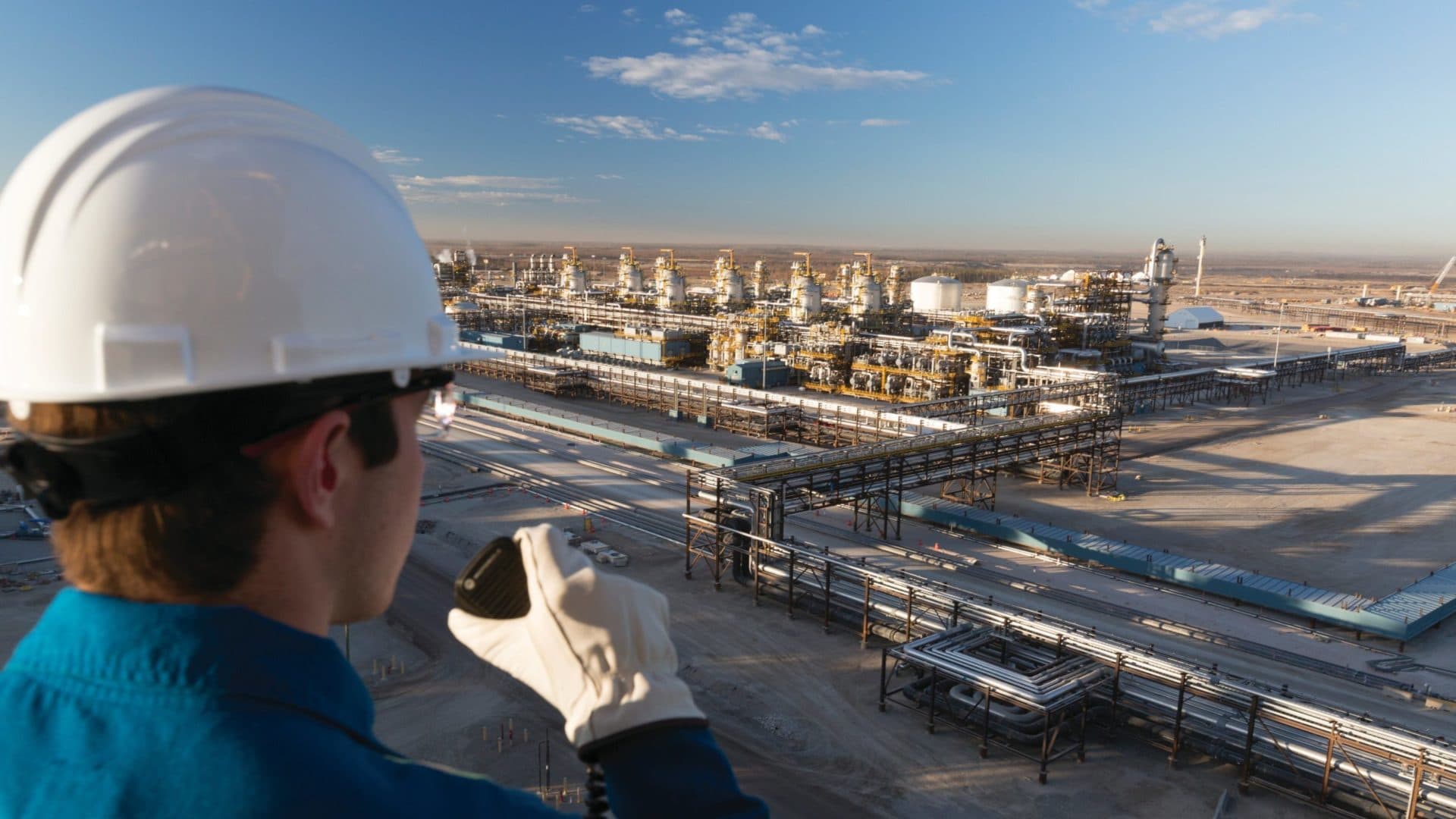
The Canadian oil and gas sector faces mounting pressure to improve operational efficiency while aligning with net-zero emissions targets. With Alberta’s oil sands among the world’s largest hydrocarbon reserves, operators must address high-emission extraction methods, regulatory compliance, and market volatility.
Recent innovations—such as integrated energy optimization models, machine learning prioritization tools, and reinforcement learning frameworks—have shown potential to reduce greenhouse gas (GHG) emissions by up to 4,880 tonnes annually and production costs by $48 million. However, significant policy uncertainty, measurement limitations, and capital-intensive infrastructure requirements continue to complicate large-scale implementation.
This report evaluates the environmental, regulatory, and technical challenges facing Canadian producers and explores the field-tested technologies reshaping operational strategies.
Environmental and Regulatory Constraints in Optimization
GHG Emission Compliance and Production Cost Impacts
Canada’s upstream oil and gas industry contributes 27% of national GHG emissions. To meet the federal 2030 goal of a 40–45% reduction from 2005 levels, major investments in decarbonization are required. In-situ extraction methods like SAGD face additional pressure due to high energy demands.
Modeling shows that a CO₂ reduction of 20% below baseline increases per-barrel costs by 12–18%. This is largely driven by the need for:
-
Carbon capture installations
-
Hydrogen-fueled boiler systems
-
Renewable power infrastructure
Upfront capital requirements exceed $2.1 billion for major oil sands producers under these scenarios.
Methane Measurement Gaps
Methane from inactive wells and aging assets is often underreported by 30–50%. Over 60% of Alberta’s 370,000 inactive wells lack emissions monitoring systems.
New techniques using machine learning and satellite data offer promise—allowing operators to prioritize high-risk wells and reduce detection costs by 40%. However, regulatory consistency remains lacking, particularly for small or marginal emitters.
Policy Design and Regulatory Alignment
Two proposed net-zero policy frameworks are under debate:
-
Option 1: Sector-specific cap-and-trade
-
Option 2: Modified output-based pricing
Option 1 risks regulatory overlap with Alberta’s TIER system. Option 2 allows absolute emissions to grow if production volumes increase, despite intensity reductions. Hybrid solutions—such as output-based incentives for CCUS—are gaining support but are delayed by federal-provincial disputes.
Technological Innovations for Optimization
AI-Driven Operational Prioritization
EZ Ops’ AI platform uses PCA and real-time data from up to 15,000 sensors per SAGD facility to prioritize maintenance and operational tasks. Field results:
-
22% reduction in operator drive time
-
37% increase in task completion
-
14% reduction in unplanned downtime across 120 heavy oil sites
Reinforcement learning dynamically adjusts workflows based on failure risk and production goals.
Integrated Energy Optimization Models
The University of Waterloo’s system simulates 48 variables across energy generation, steam usage, and hydrogen pathways. Key findings:
-
Replacing gas boilers with SMRs reduces emissions per barrel by 25%
-
Requires $850 million in grid upgrades
-
Accounts for ±$35/tonne CO₂e volatility via stochastic programming
This enables operators to model compliance risks and hedge against future carbon costs.
Predictive Maintenance and Forecasting
Advanced regression models trained on 10+ years of data achieve 89% accuracy in decline curve forecasting. Combined with DAS data, these models:
-
Identify underperforming fracture stages
-
Recommend re-stimulation treatments
-
Improve initial 90-day production rates by 19%
Digital twins of SAGD pairs have reduced cSOR by 0.2 through real-time flow rate optimization.
Economic and Infrastructure Constraints
High Capital Requirements
Carbon capture costs ($60–80/tonne CO₂) still exceed the national carbon price ($50/tonne). For example:
-
Shell’s Quest project captured 5 million tonnes of CO₂ but incurred $1.2 billion in losses
-
SMRs have levelized energy costs of ~$90/MWh, 2.5x higher than gas-fired power
These economics limit rapid low-carbon infrastructure rollouts.
Stranded Asset Exposure
Under net-zero scenarios, global oil demand may fall by 65% by 2050, risking $68 billion in Canadian upstream assets. SAGD projects, with 25-year life cycles and $12–15 billion in startup costs, are particularly vulnerable.
Operators are exploring geothermal and lithium extraction from abandoned wells, but these remain pre-commercial.
Critical Mineral Supply Risks
Electrification and hydrogen development increase demand for lithium, cobalt, and REEs. Canada relies on imports for over 80% of battery metals. Result:
-
Procurement costs are up 35% since 2020
-
Strategic alliances and blockchain tracking are being explored to mitigate risks
Renewable Energy Integration and Hybrid Solutions
Solar-Battery Microgrids
CNRL’s 21 MW solar installation at Kirby North cuts diesel usage by 3 million liters annually. Key benefits:
-
12% Scope 1 emissions reduction
-
99.98% uptime via hybrid solar-Li-ion-gas microgrid
-
$2.1 million/year savings through AI-optimized dispatch
Hydrogen Blending in Steam Systems
At Christina Lake, Cenovus blended 30% hydrogen into OTSGs:
-
Avoided major retrofits
-
Reduced CO₂ by 180,000 tonnes/year
-
Hydrogen produced at $3.50/kg using off-peak renewables
However, electrolysis scale-up is constrained by freshwater availability—4.5 barrels per kg of hydrogen produced.
Waste Heat Recovery
Suncor’s heat capture project in Wood Buffalo supplies 85 MW for district heating:
-
Offsets residential gas use
-
Adds cooling capacity via absorption chillers
-
Generates CFS credits valued at $1.25/GJ
Conclusion
Canada’s oil and gas producers operate within a uniquely complex regulatory, technical, and economic environment. While recent innovations in machine learning, energy optimization, and predictive analytics can reduce emissions intensity by 35–40%, absolute reductions require scaled investments in CCUS and renewable integration.
Policy clarity—especially on emissions caps and methane rules—will determine whether the industry can secure the $500 billion in capital needed to meet net-zero goals while preserving global competitiveness.
Emerging technologies like quantum reservoir simulation and AI-driven maintenance show long-term promise, but success depends on addressing gaps in data standardization, skilled workforce availability, and regulatory cohesion. The industry’s ability to balance these variables will shape its future role in Canada’s energy transition.